Textile Perspectives

Ideas For A More Useful Next Purpose

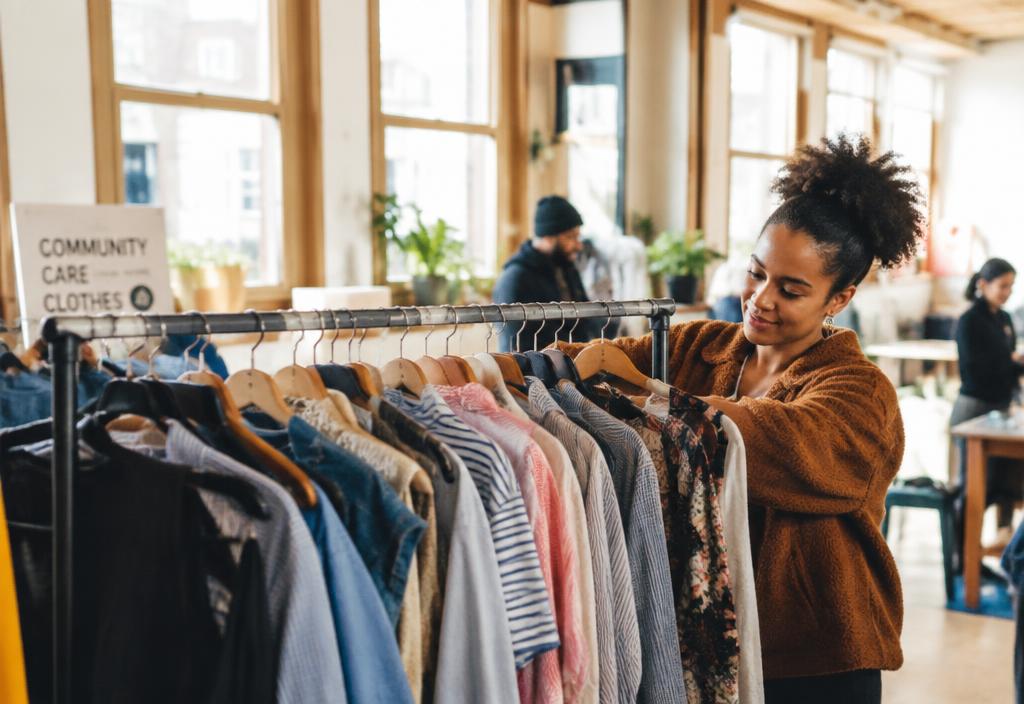
Rail of pre-owned clothing ready for reuse

Building Better Routes For Reusable Textiles

Practical collection and reuse planning can help unwanted textiles move towards a more useful next purpose.

Reuse planning starts before textiles leave your organisation. Keeping items dry and separating them from unsuitable waste can help preserve their potential for another useful life.

Tell us about the types of textiles you handle and their condition. This helps shape a collection and sorting approach that gives suitable items a clear route towards reuse.
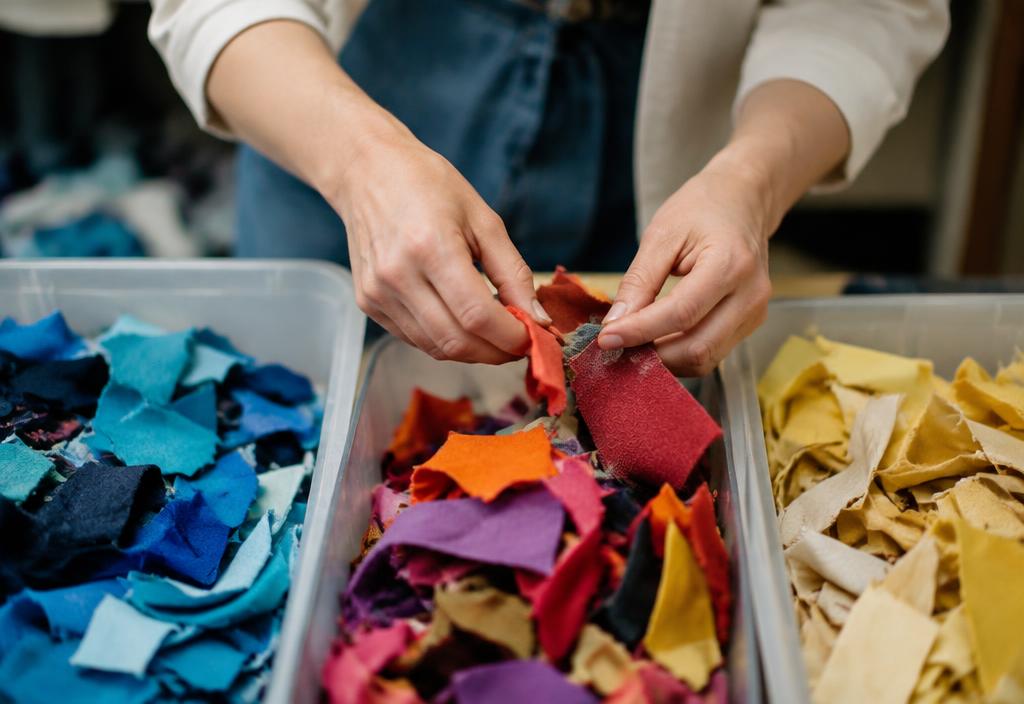
Hands sorting fabric into separate bins

What Happens During Textile Sorting?

Careful assessment helps identify suitable routes for reuse, recovery and responsible recycling.

Sorting considers condition, textile type and potential next uses. It helps distinguish items that may continue to be worn from materials that need a different recovery route.

The outcome depends on the items received and the requirements of onward routes. A reuse-first approach considers continued use before exploring recycling options.

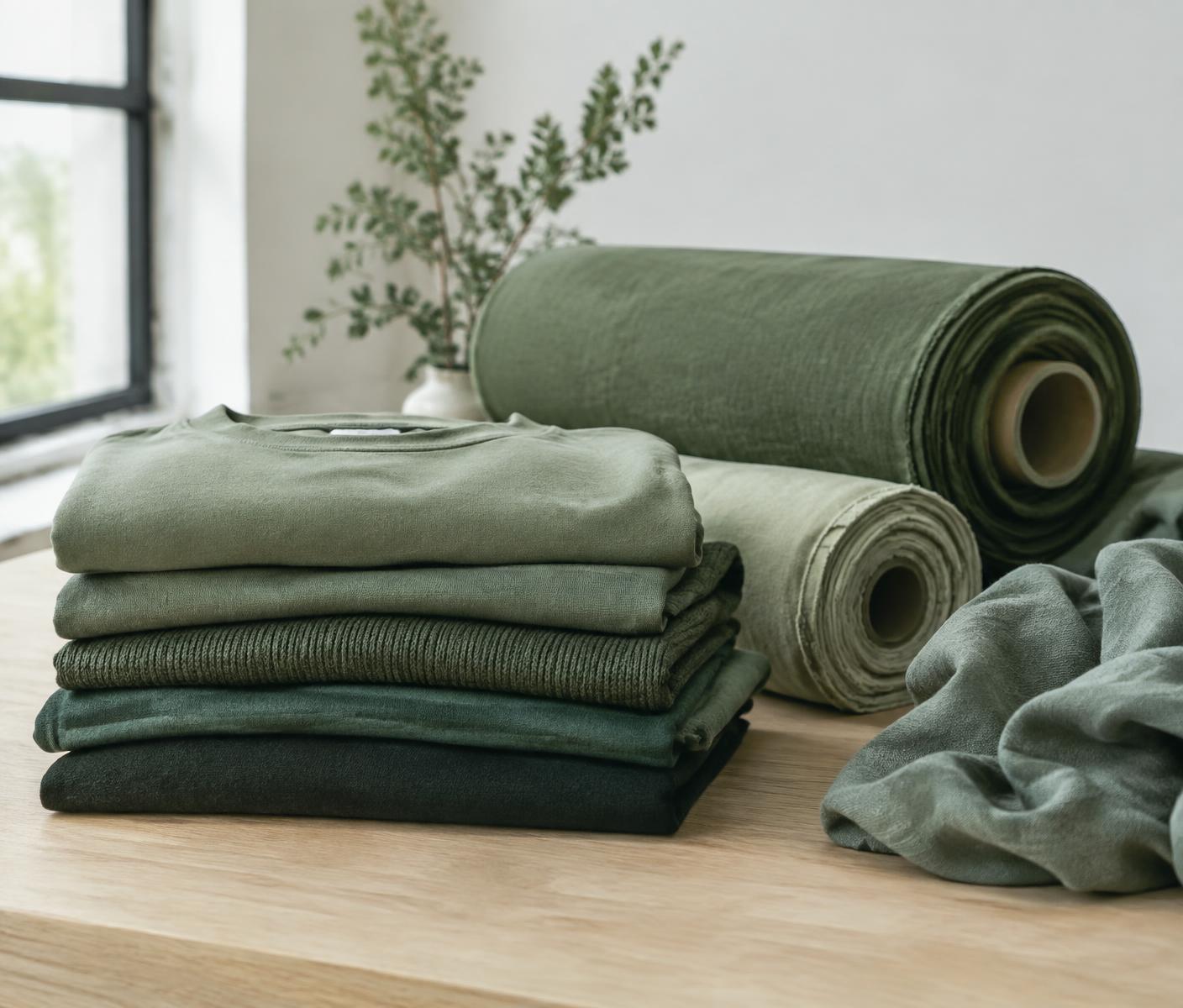
Recovered textiles prepared for circular reuse

Creating A More Circular Textile Future

Responsible textile handling supports better material recovery and helps reduce unnecessary waste.

A more circular approach aims to keep useful materials in circulation rather than treating unwanted textiles as waste by default. Reuse and appropriate recovery can offer practical next steps.

Not every textile has the same options. Clear preparation and careful assessment help organisations make more considered decisions about what happens next.